

Foie Gras

Foie gras is the food that divides the dinner table. On the one side there are those who consider the fatty duck or goose liver the ultimate delicacy; while on the other there are those whose concerns over its production make them push their plates aside.
Literally French for "fat liver", foie gras is produced by the process of force-feeding, during which a bird is administered its feed using a funnel fitted with a long tube. This results in the bird's liver becoming enlarged with an increased fat content which in medical terms is referred to as a disease called "hepatic lipidosis".
While the method of foie gras production isn't practised in Britain, the product is legally available. Last year the City of York Council was to consider a motion calling for a ban on the sale of foie gras but after a consultation took this off the political menu.
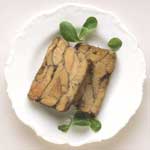
Foie gras has a rich flavour and the texture is silky smooth. It's usually served in thin slices at the start of a meal with a sweet wine and is best eaten simply spread on toasted brioche. Small slices can also be fried and used to top meat or fish dishes.
Foie gras news on Caterersearch
Michelin-starred restaurant forced to take foie gras off the menu
Animal rights protesters attack restaurant for serving foie gras
Restaurateur ‘bullied' into boycotting foie gras
Harvey Nichols restaurants to continue serving foie gras
Raymond Blanc slammed for serving foie gras by animal activists
York council sidelines motion to ban foie gras
Chicago restaurants flout foie gras ban
Foie Gras recipes, suppliers and products
Find a foie gras recipe on Caterersearch


